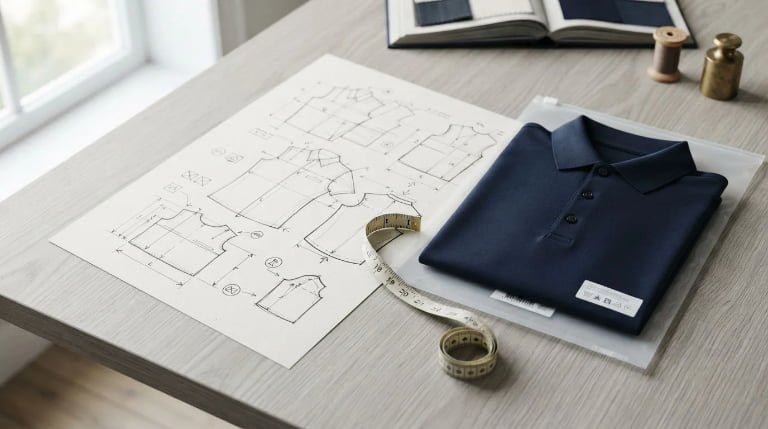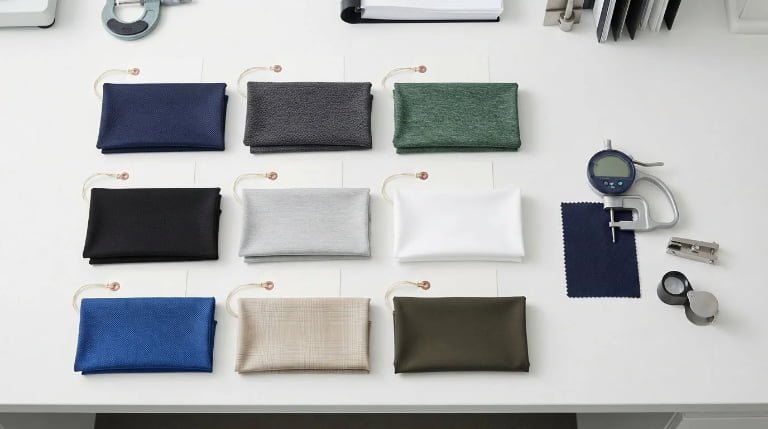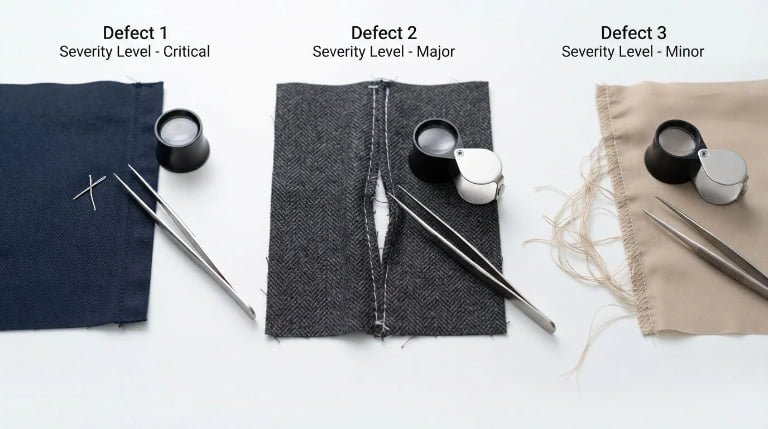
A screen-printed golf polo can look excellent in a sample but develop cracking, fading, or color inconsistencies after bulk production. For apparel brands, the challenge is not simply achieving a good first print. It is reproducing that quality consistently across every production batch.
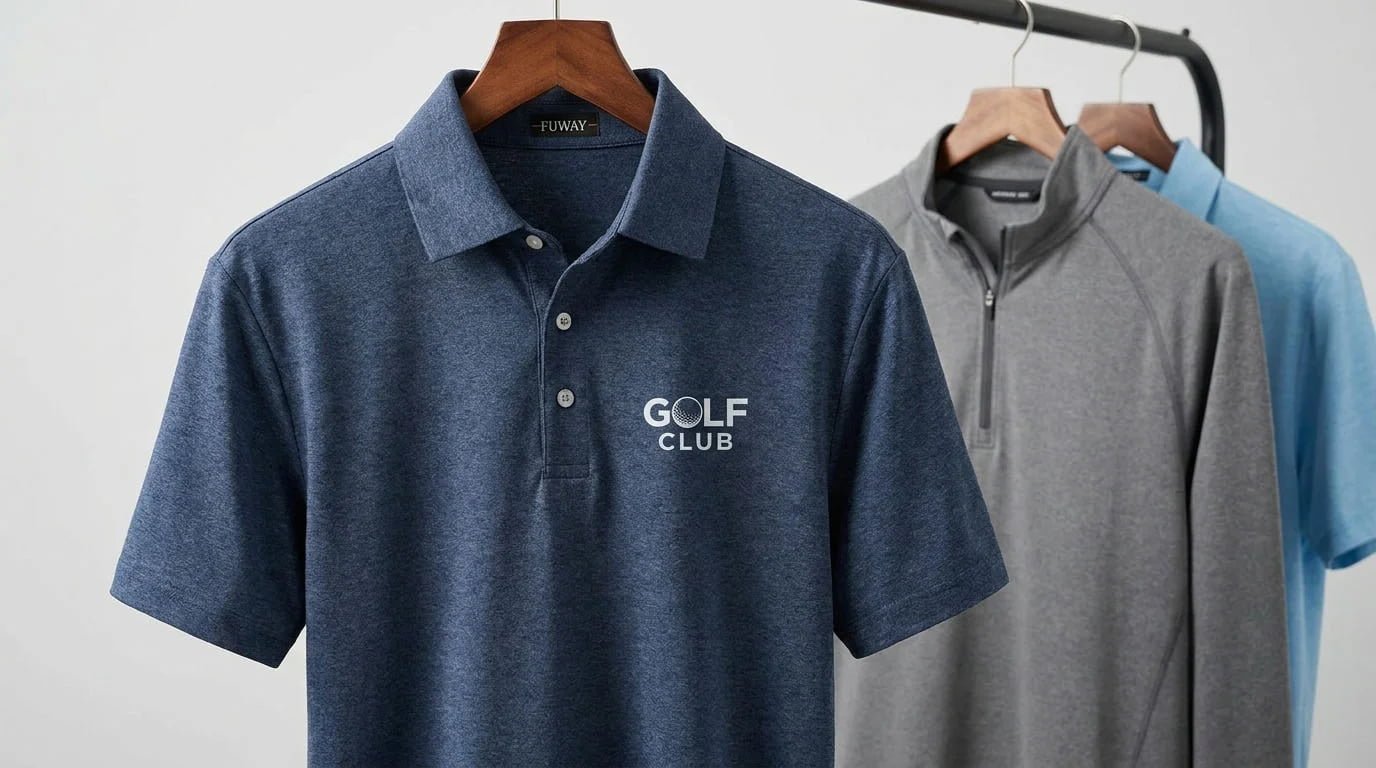
A screen printing quality control checklist helps brands and manufacturers verify artwork, print placement, fabric compatibility, ink adhesion, curing, and wash durability before approving bulk orders. The most reliable approach combines pre-production approval, first-piece inspection, in-process monitoring, and final verification.
This guide focuses on screen printing QC for custom golf polos, performance shirts, quarter-zips, and other technical golf apparel.
Quick Answer: What Should a Screen Printing QC Checklist Include?
A practical screen printing QC checklist should cover seven stages:
- Artwork, color, and print placement approval
- Fabric and ink compatibility
- First-piece print approval
- Registration, opacity, and visible defects
- Ink curing and durability testing
- In-process and final inspection
- Defect records, corrective actions, and bulk approval
Screen Printing QC Quick-Reference Table
| Inspection Item | What to Check | Acceptance Reference |
|---|---|---|
| Artwork | Correct logo, dimensions, orientation | Approved artwork |
| Color | Print matches physical color reference | Approved print sample |
| Placement | Position and alignment | Tech pack tolerance |
| Fabric compatibility | Adhesion, dye migration, stretch | Approved fabric-and-ink trial |
| Registration | Multi-color alignment | Approved strike-off |
| Opacity | Consistent coverage and appearance | Approved print standard |
| Curing | Required curing conditions achieved | Ink supplier specification |
| Adhesion | No unacceptable peeling or flaking | Agreed test criteria |
| Stretch durability | No unacceptable cracking or distortion | Approved stretch test |
| Wash durability | Print retains required appearance | Agreed wash-test criteria |
| Final appearance | Consistent prints without unacceptable defects | Approved sample and defect criteria |
Important: Print placement tolerances, curing temperatures, test methods, and acceptance limits should be defined for each project. They are not universal across all fabrics and ink systems.
Step 1: Confirm Artwork, Color, and Print Placement
Screen printing quality control begins before printing starts.
A factory cannot consistently reproduce a logo if the approved artwork, color, or placement instructions remain unclear.
Check the Approved Artwork
Before screen preparation, confirm:
- Final artwork version and file dimensions
- Logo size and orientation
- Number of print colors
- Color references and approved physical samples
- Print location for each garment style
- Any permitted artwork or color deviations
Digital mockups help communicate the design, but final print approval should use the intended fabric and ink system.
Define Measurable Logo Placement
Instructions such as "left chest logo" or "centered on the back" are insufficient for production inspection.
A golf polo tech pack should identify measurable reference points.
For example:
| Placement | Measurement Reference |
|---|---|
| Left chest | Distance from placket centerline and shoulder reference |
| Sleeve | Distance from sleeve hem or defined seam |
| Upper back | Distance from center-back neckline |
| Quarter-zip chest | Distance from zipper centerline and upper reference point |
The buyer and factory should agree on the target measurements and allowable deviations before production.
For left-chest printing, inspect whether the logo appears visually balanced relative to the placket, especially on different garment sizes.
QC decision: Do not approve printing until artwork, color, and placement standards are confirmed.
Step 2: Check Fabric and Ink Compatibility
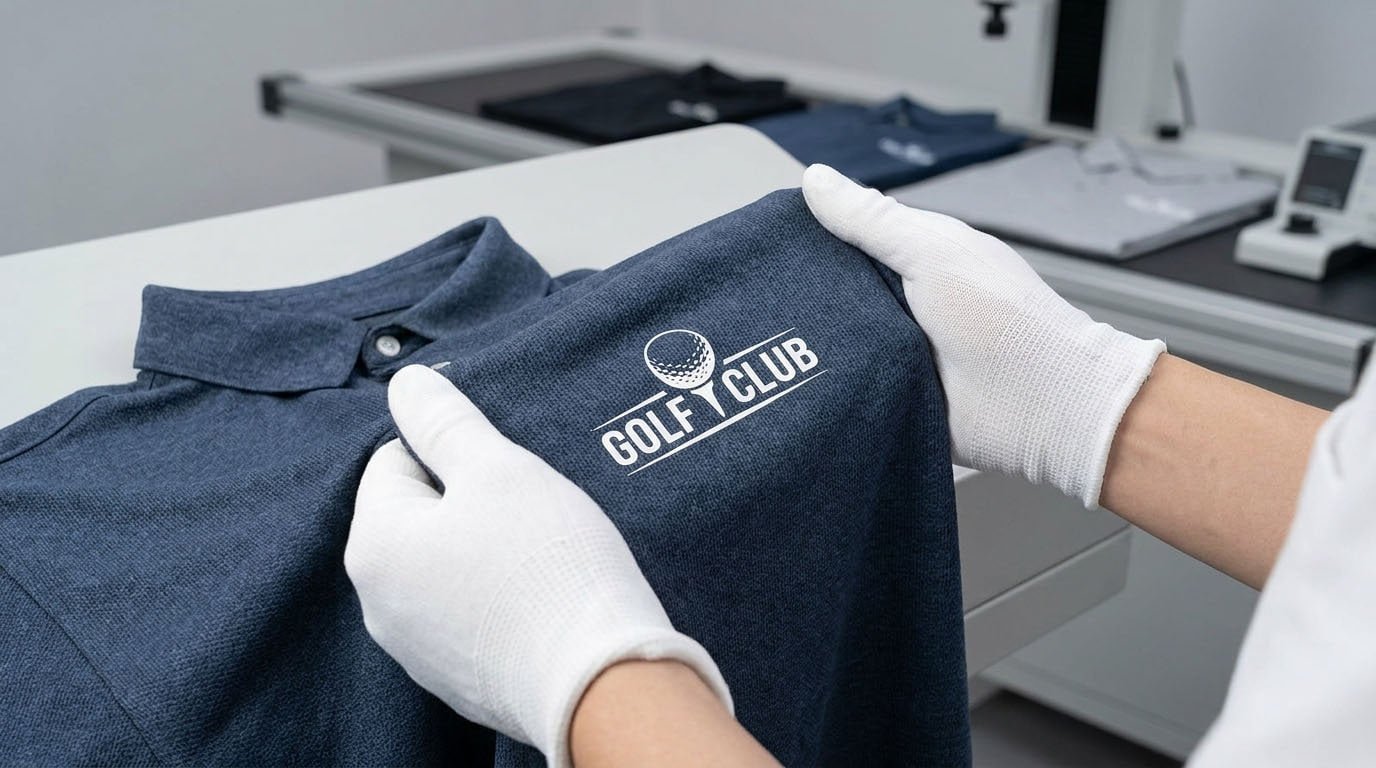
Technical golf fabrics create different printing challenges from basic cotton T-shirts.
A printing method that performs well on cotton may produce unexpected results on polyester, polyester-spandex, or textured piqué knits.
What Should Be Checked on Golf Performance Fabrics?
| Fabric Type | Main Printing Risk | QC Focus |
|---|---|---|
| Polyester knit | Dye migration and heat sensitivity | Color stability after curing |
| Polyester-spandex | Print cracking during stretching | Flexibility and adhesion |
| Cotton piqué | Textured surface and uneven coverage | Ink deposit consistency |
| Polyester-cotton blend | Variable surface and dye behavior | Adhesion and color consistency |
| Mesh performance fabric | Open construction and uneven ink coverage | Print definition and coverage |
These are potential risks rather than guaranteed defects. Actual performance depends on the fabric, finish, ink formulation, and printing conditions.
Why Polyester Dye Migration Matters
Dye migration occurs when dyes from polyester fabric move into the printed ink layer, potentially changing its appearance.
For example, a white logo printed on a dark golf polo may develop a pinkish or grayish tint.
Where migration risk exists, the factory should evaluate:
- Fabric dye stability
- Compatible low-bleed or barrier ink systems
- Ink-specific curing requirements
- Color appearance after curing and cooling
- Any delayed discoloration identified during agreed testing
A low-cure ink or blocker may help, but suitability must be validated on the actual production fabric.
Check Stretch and Print Hand Feel
Performance golf apparel must accommodate body movement.
A printed logo should not create unacceptable stiffness, cracking, or distortion when the fabric stretches during normal wear.
Testing should use the actual fabric and approved print construction, rather than assuming that all polyester-spandex blends behave similarly.
For brands developing new materials, FUWAY's Fabric Sourcing service provides additional information about sourcing performance fabrics for custom golf apparel.
QC decision: Confirm fabric-and-ink compatibility before approving the production print.
Step 3: Approve the First Printed Sample
An approved artwork file does not guarantee that the first production print will match it.
The factory should inspect and approve a physical print produced using the intended production materials and setup.
This initial printed reference is often called a strike-off or first-piece print.
First-Piece Approval Checklist
Before full production, verify:
- Correct fabric and garment color
- Approved ink colors
- Correct print dimensions
- Accurate logo placement
- Clean print edges
- Acceptable color registration
- Consistent ink coverage
- Approved hand feel
- No visible ink contamination or fabric damage
Where the garment size or construction affects logo placement, review representative sizes rather than relying on one sample.
Keep an Approved Physical Reference
The approved print should serve as a comparison standard during production.
A useful approval record includes the style number, fabric lot, artwork revision, print location, approval date, and any accepted deviations.
Photos support the record, but a physical sample is preferable for evaluating texture, opacity, and color.
QC decision: Begin bulk printing only after the first-piece result matches the approved specifications.
Step 4: Inspect Registration, Opacity, and Print Defects
After the first piece is approved, inspectors should monitor print appearance throughout production.
Three important checkpoints are registration, opacity, and edge definition.
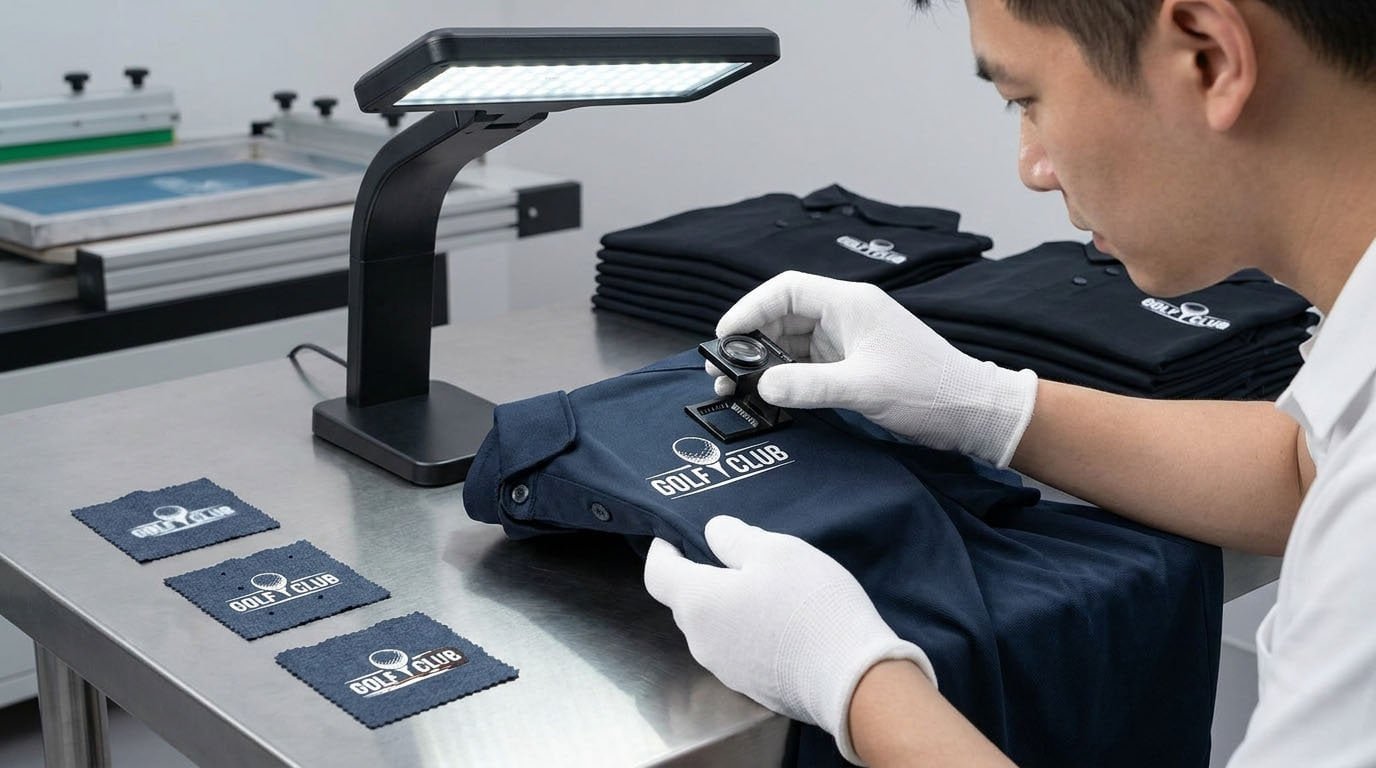
Check Print Registration
Registration describes how accurately different print colors align.
Poor registration can create:
- Visible color gaps
- Blurred logo outlines
- Overlapping color boundaries
- Uneven lettering
- Misaligned graphic details
The acceptable registration limit should reflect the approved artwork and print specification.
Inspect Ink Opacity and Coverage
Opacity determines how effectively a printed color covers the garment underneath.
On dark polyester golf shirts, inadequate coverage may cause the base fabric color to show through a light-colored logo.
Inspectors should compare production pieces against the approved strike-off, checking for uneven ink deposits, pinholes, and unintended fabric show-through.
Common Screen Printing Defects and Corrective Actions
| Defect | Possible Cause | QC Response |
|---|---|---|
| Misregistration | Screen alignment or setup drift | Correct alignment and reinspect |
| Uneven opacity | Inconsistent ink deposit or coverage | Review ink and print settings |
| Pinholes | Screen contamination or stencil defects | Inspect and correct screen |
| Blurred edges | Excess ink, pressure, or setup problems | Adjust process and check new print |
| Ink smearing | Handling or process-control issues | Isolate affected pieces |
| Dye migration | Fabric dye and ink/heat interaction | Revalidate fabric and ink system |
| Visible cracking | Ink flexibility or curing issue | Investigate and retest |
A visible defect should not automatically be treated as acceptable simply because it occurs on a small logo.
Defect classification should follow the buyer's agreed cosmetic and performance requirements.
QC decision: Isolate defective pieces, correct the source of the problem, and approve the corrected result before continuing affected production.
Step 5: Verify Ink Curing, Adhesion, and Wash Durability
A freshly printed logo may appear perfect even when its durability has not been verified.
This is why visual inspection alone cannot confirm correct curing.
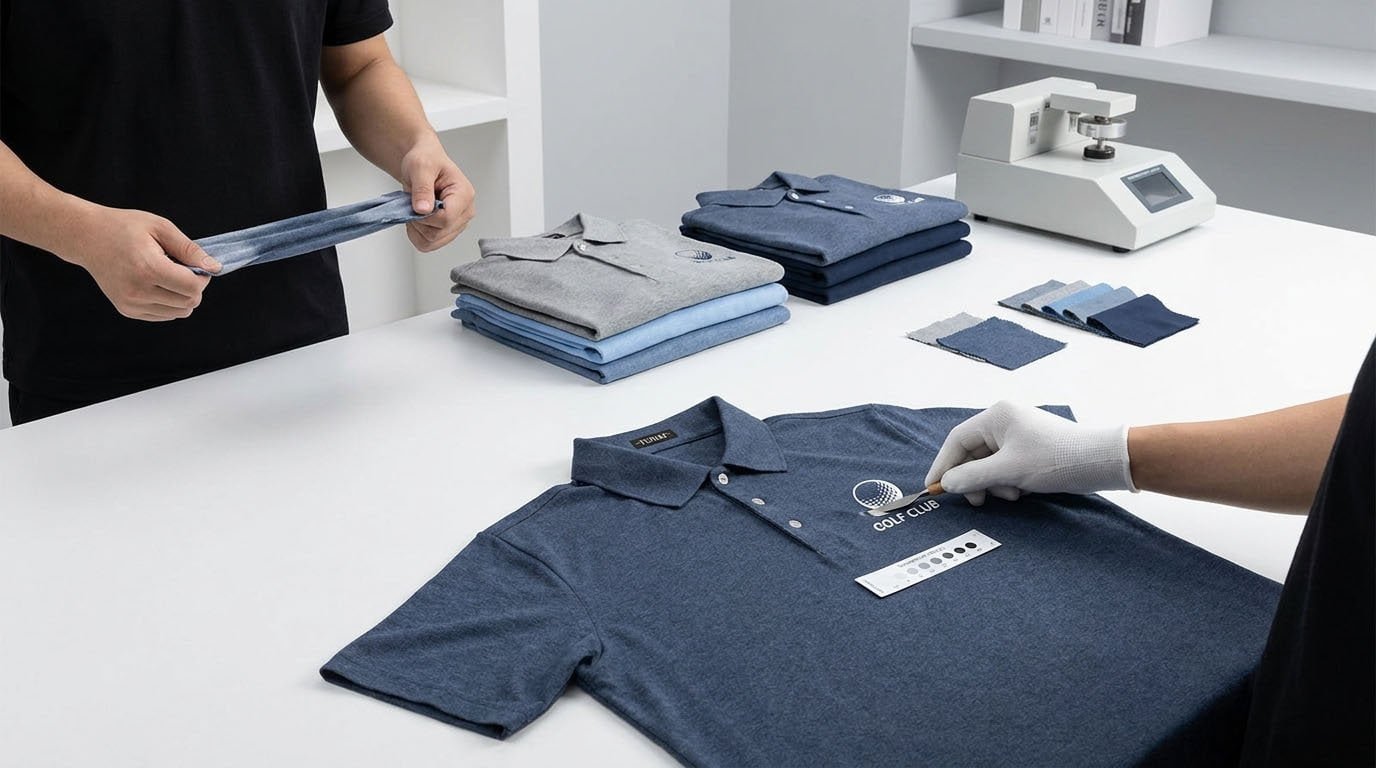
How Should Ink Curing Be Checked?
Curing requirements depend on the ink system.
For example, different plastisol, water-based, and specialty formulations can require different temperature, time, or processing conditions.
A practical curing verification record should include:
- Ink product and formulation reference
- Supplier-recommended curing conditions
- Applicable dryer setup and belt speed
- Relevant temperature measurements or thermal-profile records
- Verification results and corrective actions
The dryer display alone may not establish whether the ink deposit experienced the required curing conditions.
A suitable temperature-monitoring method should be selected for the printing process and ink supplier's instructions.
How Do You Check Adhesion and Stretch Durability?
After printing and the required cooling or conditioning period, evaluate whether the ink remains attached under the agreed test conditions.
For stretch golf apparel, check:
- Whether the printed fabric stretches without unacceptable cracking.
- Whether the ink remains attached during the test.
- Whether the print retains its required appearance after recovery.
An immediate stretch check can reveal problems, but passing it does not independently prove complete curing or long-term wash durability.
What Should a Wash Test Confirm?
A wash durability evaluation should assess:
- Cracking or peeling
- Color change or fading
- Ink loss
- Print distortion
- Unacceptable deterioration in appearance
Specify the laundering method, temperature, number of cycles, drying method, and acceptance criteria before testing.
Use the agreed garment-care conditions and applicable testing requirements.
Avoid assuming that one wash-test result proves durability for every ink system or fabric.
QC decision: Release the printing process only when required curing and durability checks meet the project's approved criteria.
Step 6: Perform In-Process and Final Print Inspections
First-piece approval establishes the initial standard. In-process inspections determine whether the factory can maintain it throughout the order.
Printing conditions may change as production continues.
Potential causes include ink behavior, screen contamination, equipment adjustments, temperature variation, and changes between fabric batches.
What Should Be Checked During Production?
Inspect at agreed intervals and after important changes, such as restarting equipment, changing screens, or switching material lots.
Focus on:
- Print color consistency
- Logo placement
- Multi-color registration
- Ink coverage
- Edge definition
- Fabric contamination
- Surface defects
- Relevant curing-process records
The inspection frequency should reflect the order's risk, complexity, quantity, and agreed control plan.
How Should Final Print Inspection Work?
Final inspection compares printed garments with the approved production reference.
Inspectors should check both visible appearance and completion of any required durability testing.
A final print may look acceptable but still require further review if curing records are incomplete or a specified wash test has failed.
For broader inspections covering garment measurements, stitching, labeling, and packaging, refer to FUWAY's Golf Apparel Quality Control Guide.
This screen printing checklist is specifically for printed decoration rather than the complete garment inspection process.
QC decision: Confirm that finished prints meet approved standards and required test evidence is available before release.
Step 7: Record Defects, Correct Problems, and Approve Bulk Production
The final stage turns inspection findings into documented production decisions.
A checklist should show not only whether a print passed, but also what happened when a problem was detected.
What Should the Screen Printing QC Record Include?
| Record Field | Information to Capture |
|---|---|
| Order reference | Buyer, style, color, production order |
| Fabric reference | Composition and relevant lot |
| Artwork | Approved revision |
| Ink system | Ink type and applicable reference |
| Inspection stage | First piece, inline, or final |
| Inspection findings | Actual measurements and observations |
| Defect details | Type, location, quantity |
| Corrective action | Adjustment, rework, or rejection |
| Reinspection | Result after correction |
| Approval | Responsible inspector and date |
What Happens When an Inspection Fails?
Use a clear corrective-action sequence:
Identify → Isolate → Investigate → Correct → Reinspect → Record → Release
For example, if multi-color registration begins shifting during production:
- Stop or contain the affected printing operation.
- Identify garments potentially affected since the last acceptable inspection.
- Correct the registration issue.
- Inspect a new printed piece.
- Reinspect or segregate affected garments.
- Document the correction and approval.
Rework is not always technically or commercially acceptable. If a defective print cannot be corrected without damaging the garment, rejection or replacement may be necessary.
QC decision: Do not release affected goods until their disposition and any required reinspection are approved.
Copyable Screen Printing Quality Control Checklist
The following checklist can be used during supplier discussions, production reviews, or factory inspection.
Pre-Production Approval
- [ ] Final artwork and color references approved
- [ ] Print dimensions and location confirmed
- [ ] Production fabric and ink compatibility reviewed
- [ ] Required durability tests and acceptance criteria agreed
- [ ] Approved strike-off or first-piece reference available
Printing Inspection
- [ ] Logo placement within approved tolerance
- [ ] Print registration acceptable
- [ ] Ink opacity and coverage consistent
- [ ] Edges and fine details acceptable
- [ ] No unacceptable smearing, pinholes, or contamination
- [ ] In-process inspection records completed
Curing and Durability
- [ ] Ink curing requirements documented
- [ ] Applicable curing verification completed
- [ ] Adhesion evaluation passed where required
- [ ] Stretch performance approved where required
- [ ] Wash durability requirements met
- [ ] Dye migration evaluated where relevant
Final Release
- [ ] Finished prints match the approved reference
- [ ] Failed pieces identified and isolated
- [ ] Corrective actions documented
- [ ] Reworked garments reinspected
- [ ] Required test and inspection records available
- [ ] Responsible person approves final release
For each applicable item, record the result as Pass / Fail / N/A, with supporting evidence and any corrective action.
A completed checklist should provide traceable verification rather than simply showing that every box was checked.
FAQ: Screen Printing Quality Control
What Is the Most Important Screen Printing QC Check?
There is no single check that guarantees print quality.
First-piece approval helps verify initial setup, while in-process inspection identifies production drift. Curing and durability verification are necessary when the order requires evidence of performance after wear or washing.
These checks work together.
What Is an Acceptable Screen Printing Placement Tolerance?
The acceptable tolerance depends on logo size, location, garment construction, and buyer requirements.
A small left-chest logo may require tighter positioning control than a large graphic.
The tolerance should be agreed upon in the tech pack rather than assumed from a universal industry number.
How Can Brands Prevent Screen Printing Cracks on Stretch Golf Polos?
Start by selecting an ink system compatible with the actual stretch fabric.
Approve a production-fabric print trial, verify the ink-specific curing process, and perform appropriate stretch and wash evaluations.
Do not rely only on the appearance of a freshly printed sample.
Does an Approved Sample Guarantee Consistent Bulk Printing?
No.
An approved sample establishes the reference standard, but production conditions can change.
First-piece approval, in-process monitoring, and final verification help determine whether bulk prints consistently meet that standard.
What Evidence Should Buyers Request From a Screen Printing Manufacturer?
Useful records include the approved print reference, artwork revision, placement measurements, relevant curing checks, durability-test results, defect records, and final inspection approval.
The level of documentation should match the order's quality requirements.
Conclusion: Make Screen Printing Quality Measurable Before Bulk Production
Reliable screen printing quality control is not just about identifying visible defects.
It requires a defined production standard, compatible fabric and ink, approved first-piece printing, ongoing inspections, verified durability where required, and documented corrective actions.
For golf apparel brands, particular attention should be given to polyester dye migration, stretch performance, print hand feel, and repeatable logo placement.
At FUWAY, we support OEM/ODM golf apparel projects, including custom golf shirts and screen printing services for branded performance wear.
If you are developing a private-label golf collection or preparing an existing design for bulk production, share your artwork, fabric specifications, quantity, and quality requirements through our Contact page.
The goal is simple: approve the print standard before production, verify it during manufacturing, and require evidence before bulk release.