.png)

You chose cotton for its "natural" appeal, but now customers are asking about toxic chemicals and environmental impact. Your brand's reputation feels at risk over a fabric you thought was safe.
No, cotton fiber itself is not toxic. The risks come from agricultural practices (pesticides) and chemical processing (dyes, finishes). Sourcing responsibly with certified processing is key to ensuring the final fabric is safe and sustainable.
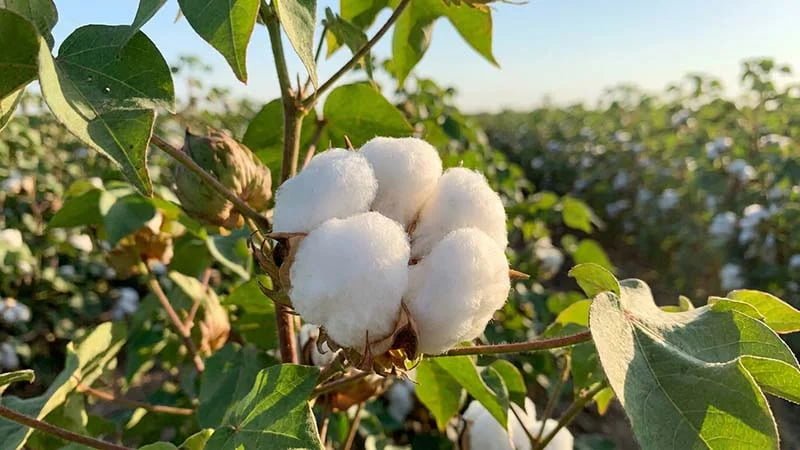
For years, "natural fiber" was enough to satisfy buyers. But now, your customers are more educated and skeptical. They search online and see headlines about "toxic cotton." As a brand owner, you can't just say "it's natural" anymore. You need to understand where the real risks are—not in the fiber itself, but in the journey it takes from the farm to the finished garment. I'm going to walk you through how to separate the facts from the fear so you can source cotton with confidence.
What Do Buyers Really Want to Know About Cotton?
You see "toxic cotton" searches and worry your products are unsafe. But this broad fear masks a more specific set of questions about chemical safety in the final garment.
Buyers aren't questioning the cotton fiber itself. They are asking about residual chemicals from dyeing and finishing that could irritate the skin. Their concern is about the final product, not the raw plant.

I've watched this shift happen over the past decade. The conversation used to be a simple "natural vs. synthetic" debate. Now, it’s much more detailed.
The Shift From “Natural or Not” to Toxicity Concerns
Brand owners like you are no longer just choosing a material. You are being held accountable for the entire supply chain. Customers understand that a natural fiber can be exposed to unnatural processes. They want to know what happens during dyeing, finishing, and washing, because that’s what touches their skin. This is a good thing—it pushes the industry toward greater transparency and responsibility.
The Real “Cotton Toxicity” Search Intent
When a customer searches "is cotton toxic?", they are really asking, "Is this cotton t-shirt safe for me to wear? Will it cause a rash? Was it made with harmful chemicals?" Your job is to have the answers, which means understanding and controlling your wet processing—the dyeing and finishing stages where the real risks lie.
Is Cotton Toxic? Separating Fiber from Finish?
Your customers hear that cotton is the "world's dirtiest crop" and assume the fabric is toxic. This creates a brand risk based on a misunderstanding of the supply chain.
Raw cotton fiber is not toxic. The potential for toxicity comes from two areas: pesticides used in conventional farming and, more importantly for the final garment, chemicals used during dyeing and finishing.
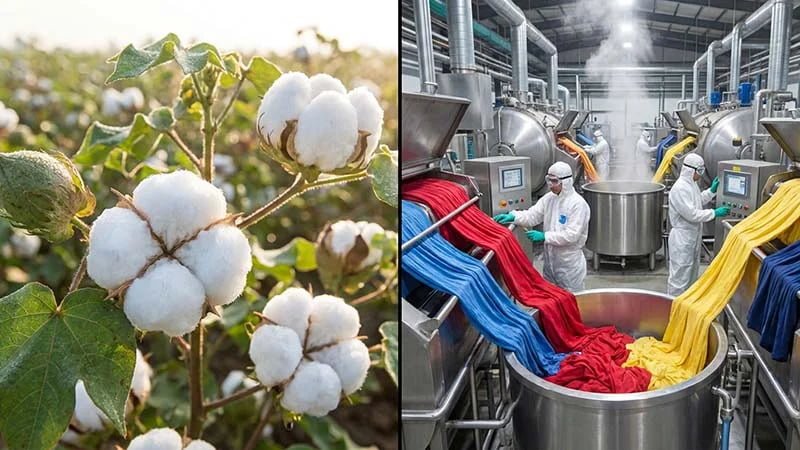
I've walked through countless textile mills. The core material—the cotton fiber—is just cellulose. It's what we do to it that introduces risk. It's crucial to understand this distinction.
Is Cotton Fiber Toxic in Normal Wear?
No. The cellulose fiber of the cotton plant is inert and safe. Even with conventional cotton grown using pesticides, the industrial scouring, bleaching, and purification processes the fiber undergoes remove the vast majority of agricultural residues. The fiber that enters the dyeing process is clean.
Where Cotton “Toxicity” Complaints Actually Come From
The real issues arise during wet processing. This is where dyes, softeners, wrinkle-resisters, and other finishing chemicals are applied. If these chemicals are not applied, neutralized, and rinsed correctly, they can remain on the final fabric, potentially causing skin irritation or other issues.
Compliance, Wet Processing, and Brand-Level Risk
Your risk as a brand isn't from the cotton plant; it's from the dyehouse. This is why you must demand compliance documentation like OEKO-TEX® certificates. These standards don't just test the fiber; they regulate the chemical inputs and test the final fabric for harmful residues, directly addressing the real source of risk.
Is Cotton Fabric Toxic or Safe to Wear?
You've sourced the cotton, but is the final fabric safe? Without proper checks, you risk shipping products with chemical residues that can cause customer complaints and returns.
A finished cotton fabric is safe to wear when processed correctly. The key is ensuring proper neutralization and rinsing after dyeing to remove all residual chemicals and achieve a skin-friendly pH level.
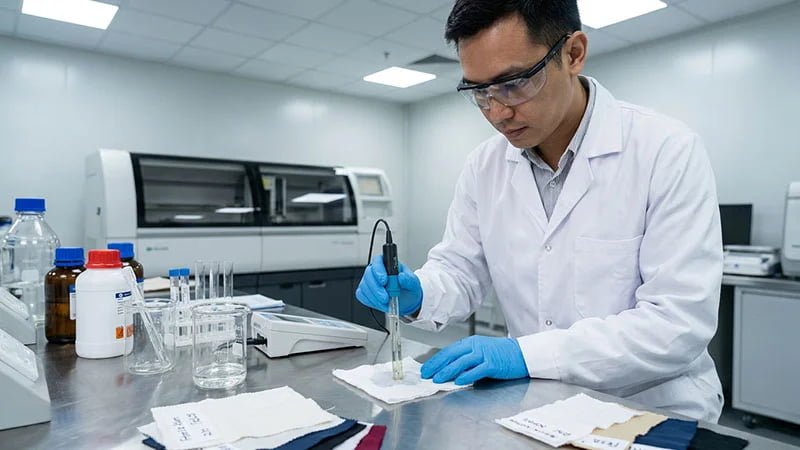
The final stage of production is where a perfectly good material can be ruined. I always tell my clients that the last wash cycle in the dyehouse is one of the most critical steps for ensuring customer safety and comfort.
What Final Finishing Means for Fabric Safety
Finishing involves applying substances to give the fabric desired properties like softness or wrinkle resistance. These are chemical processes. Safety depends on using approved, low-impact chemicals and, most importantly, washing everything out thoroughly at the end so only the intended finish remains, bonded to the fabric.
Key Risks: pH, Bleeding, Residual Chemicals
The three biggest culprits of "toxic" reactions are: an improper pH level (too acidic or alkaline, irritating the skin), color bleeding (poorly fixed dye rubbing off), and residual processing chemicals left from incomplete rinsing. A good supplier controls all three.
Market Alignment: Sensitive Skin, Kidswear, and Special Applications
For sensitive markets like baby clothes or performance apparel worn tight against the skin, your standards must be even higher. This means demanding certifications like OEKO-TEX® Standard 100, which guarantees the final product is free from a long list of harmful substances.
Is Mercerized Cotton Toxic or Safe?
You hear "mercerization" and think it's another harsh chemical process. You wonder if this makes the cotton toxic, creating another sourcing dilemma for your brand.
Mercerized cotton is safe. Mercerization is a process using sodium hydroxide (caustic soda) to strengthen the fiber and improve dye uptake. When properly neutralized and rinsed, no harmful residues remain.
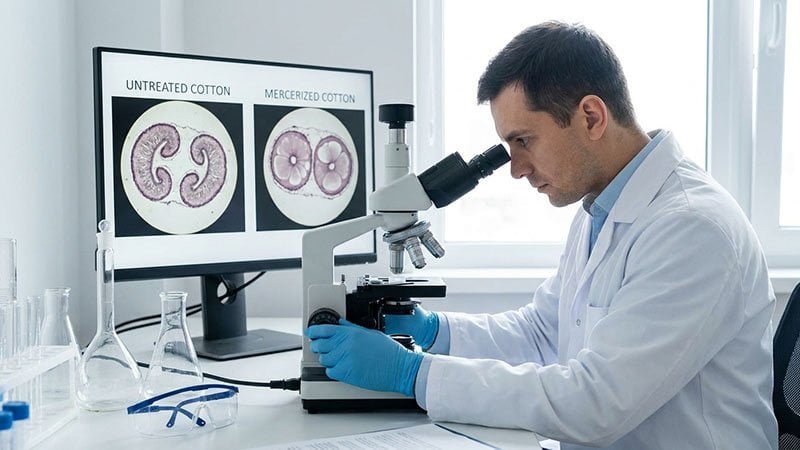
Mercerization is a fantastic process for creating premium, durable, and vibrant cotton goods. I've specified it for many high-end polo shirt programs. The key isn't the chemical used, but the control over the process.
What Mercerization Is (and Isn’t)
It's not a coating. It's a structural change. The cotton is treated under tension with a caustic soda solution. This causes the fiber to swell, changing its cross-section from a kidney-bean shape to a round one. This increases surface area, which makes the fabric stronger and reflect more light (giving it luster) and absorb dye more deeply.
Process Risks: Neutralization, Rinsing, pH Control
The risk lies entirely in the post-treatment steps. The caustic soda must be completely neutralized with a mild acid and then thoroughly rinsed out with clean water until the fabric returns to a skin-safe pH (around 4.5 to 6.5).
Finished Mercerized Cotton: Safe When Processed Correctly
When these steps are done right, the finished fabric is perfectly safe and actually higher quality. The sodium hydroxide is gone.
When Problems Occur: Comfort and Bulk Consistency Risks
If a factory cuts corners on rinsing to save water or time, the fabric can have an elevated pH, which can feel harsh and irritate sensitive skin. This is a quality control failure, not a failure of the mercerization process itself.
Is Combed Cotton Toxic?
You see "combed cotton" and wonder if it's another chemical treatment. This confusion makes it hard to know if you're choosing a safe option for your customers.
Combed cotton is not toxic. Combing is a purely mechanical process that removes short fibers, creating a smoother, stronger yarn. No chemicals are involved in combing itself.
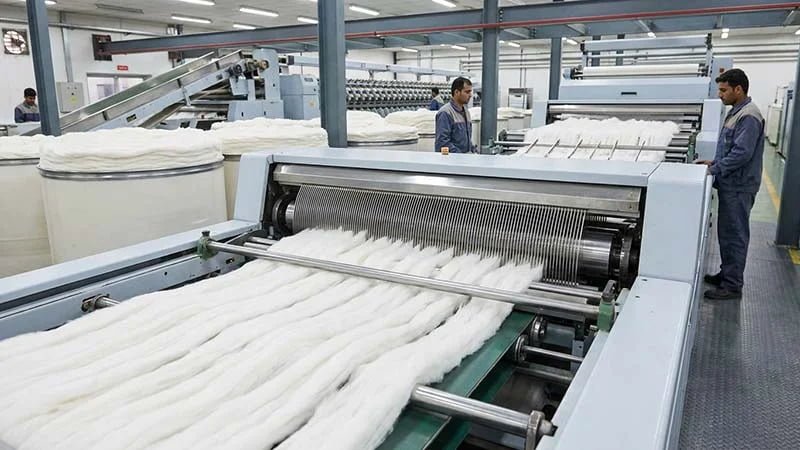
This is one of the most common points of confusion I see with new buyers. They get nervous about any technical term. But combing is simple and physical, like combing your hair.
Combing as a Mechanical Step, Not a Chemical One
Before cotton is spun into yarn, it's carded to align the fibers. Combing is an additional step where fine-toothed combs pass through the cotton, pulling out any short fibers and impurities. This leaves only the longest, strongest fibers to be spun into yarn. The result is a superior quality fabric that is less prone to pilling and feels softer.
Why “Combed Cotton Toxicity” Still Gets Searched
This search term likely exists for two reasons: a general lack of understanding of textile terms, and the fact that combed cotton, being a premium product, is often subjected to other chemical processes like dyeing and finishing. People mistakenly associate the term "combed" with the entire production process.
Downstream Risks: Dyeing, Finishing, and Consistency
Just because the combing is mechanical doesn't mean the final fabric is guaranteed to be safe. The combed yarn still needs to be dyed and finished. All the wet processing risks I mentioned earlier still apply. You must evaluate the safety of the final fabric, not just the yarn type.
Combed vs. Mercerized Cotton: Which Matters More for Safety?
You're choosing between combed and mercerized cotton for a premium product. You wonder which process has a bigger impact on the final fabric's safety.
Mercerization has a direct impact on chemical safety; combing does not. Combing is a mechanical step, while mercerization is a chemical one that requires careful pH control and rinsing to ensure safety.
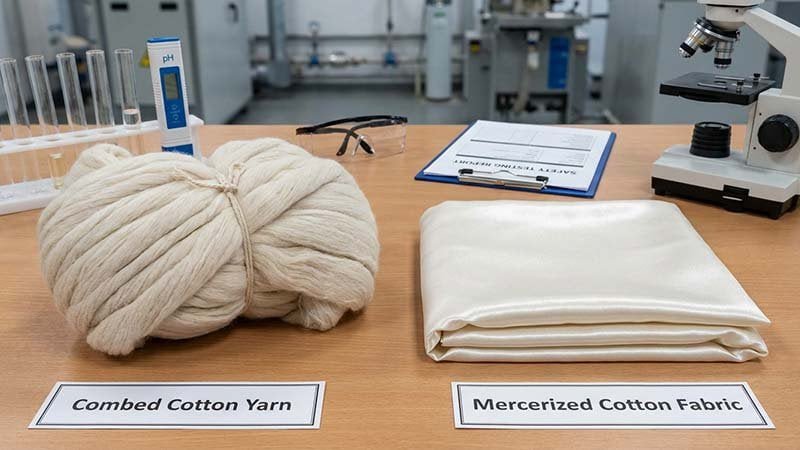
This is a critical distinction for a buyer. One term describes the physical quality of the yarn, while the other describes a chemical treatment. Both can be used to make a premium product, but they have different implications for your quality control process.
| Feature | Combed Cotton | Mercerized Cotton |
|---|---|---|
| Process | Mechanical (combs remove short fibers) | Chemical (caustic soda swells fibers) |
| Purpose | Creates a smoother, stronger, softer yarn | Increases strength, luster, and dye affinity |
| Safety Risk | None from the combing process itself. | Potential risk from improper rinsing and pH control. |
| What to Ask | "Is this 100% combed cotton?" | "What are your pH controls after mercerization?" |
What Each Term Refers To
Combing refers to the preparation of the yarn before it's even spun. Mercerization is a finishing treatment applied to the yarn or woven fabric. A fabric can be made from combed cotton, and then also be mercerized—the two are not mutually exclusive.
Where the Real Chemical Risks Lie
The only chemical risk between these two processes comes from mercerization. However, as I've said, it's a manageable risk. A reputable supplier will have no problem providing test reports showing the final fabric has a neutral pH.
Is Washed Cotton Toxic?
You see "washed cotton" or "garment washed" on a spec sheet. You need to know if this extra step adds any chemical risk to the final product.
Washed cotton is safe if processed correctly. The "washing" is a finishing step that can use just water, or include softeners or other agents. The risk depends on what is used and if it's rinsed out properly.
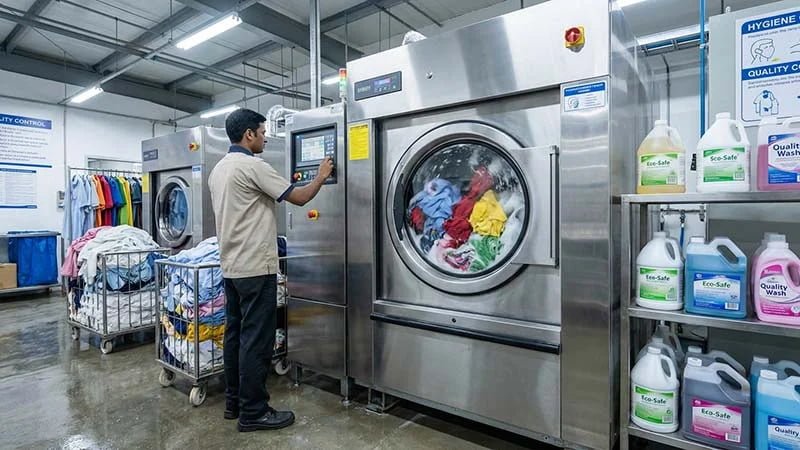
Garment washing is extremely common, especially for products where a soft, "lived-in" feel is desired from day one, like t-shirts and casual polos. It's another finishing step that requires quality control.
Typical Washing/Add-On Processes
This process happens after the garment is sewn. It can be a simple water rinse to remove any factory dust and reduce shrinkage. More often, it includes silicone softeners for handfeel, enzymes for a slightly faded look (enzyme wash), or other stylistic finishes. Each of these adds a chemical component to the process.
Key Buyer Checks: Rinse, pH, and After-Laundry Behavior
Just like with dyeing and mercerization, the key to safety is the final rinse cycle. You need to ensure any processing agents are washed out and the final garment has a skin-safe pH. You should also ask for a sample and wash it yourself. Does it shrink excessively? Does the color bleed? Does the feel change dramatically? These are signs of poor processing. A well-executed garment wash will result in a stable, soft, and safe product.
Is Recycled Cotton Safe or Toxic?
You want to use recycled cotton for sustainability. But you're concerned about unknown chemicals from the fabric's previous life, creating a safety and compliance nightmare.
Recycled cotton can be safe, but it requires much stricter sourcing and testing. The primary risks are unknown chemical residues from post-consumer waste and inconsistent fiber quality.
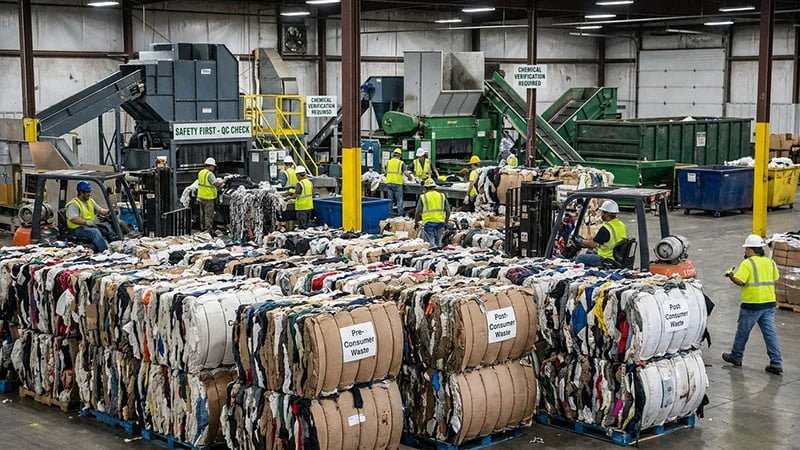
Recycled cotton is a great story, but it introduces a huge variable: you don't always know where the source material has been. This requires a much higher level of trust and verification from your supplier.
Source Clarity: Pre-Consumer, Post-Consumer, Sorting
"Pre-consumer" recycled cotton comes from scraps in the factory and is very safe, as its history is known. "Post-consumer" comes from used garments, which is where the risk lies. The quality of the sorting process is everything. Are the garments sorted by color? By fiber type? How are they cleaned before being shredded back into fiber?
Chemical Residue Concerns and Traceability
The big fear is that a used garment might have been treated with a water-repellent finish or other chemical that you don't want in your final product. Because the fibers are blended, it's very difficult to trace.
Responsible Testing and Market Documentation
If you use post-consumer recycled cotton, you absolutely must work with a supplier who can provide certifications like the Global Recycled Standard (GRS). This standard ensures social and environmental best practices and, crucially, includes chemical restrictions. You should also have the final blended fabric tested against your Restricted Substances List (RSL).
Are Pima and Supima Cotton Toxic?
You're considering Pima or Supima cotton for a luxury product. You assume a premium fiber is automatically safer, but you need to be sure before you invest.
Pima and Supima cotton are not toxic. These names refer to extra-long staple (ELS) cotton varieties, a mark of physical quality, not chemical safety. They are still subject to the same processing risks as any other cotton.
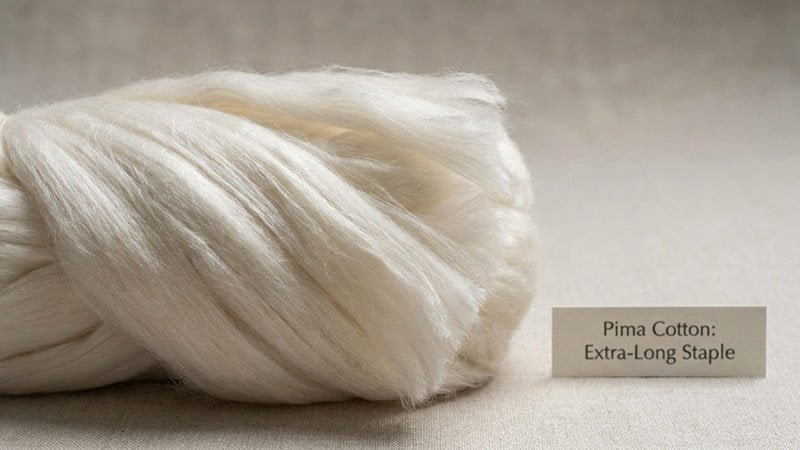
This is a classic trap for brands. They pay a premium for a well-known fiber name like Supima® and assume safety is included. But Supima is a trademark for American-grown ELS Pima cotton; it doesn't automatically certify the processing.
Fiber Fineness and Staple Does Not Mean “Chemical Safety”
Pima and Supima cottons have extra-long fibers (staple length). This allows them to be spun into finer, stronger, and softer yarns. It is a mark of superior physical quality, which leads to a more durable and luxurious-feeling garment. It has nothing to do with the chemicals used to dye or finish that garment.
Why Safety Still Depends on Processing
You can take the most beautiful, expensive Supima cotton and ruin it in a bad dyehouse. It can be finished with a high pH, have residual chemicals, or be dyed with colors that bleed. The safety of the final product still comes down to the quality of the wet processing. When you source Supima, you should still ask for an OEKO-TEX® or other safety certificate for the finished fabric, just as you would for any other cotton. Don't let a premium fiber name make you complacent about process control.
What Are the Disadvantages of Cotton? (Performance & Sustainability)
You know cotton is comfortable, but you're worried about its performance drawbacks and environmental reputation. This makes it hard to position your products against technical fabrics.
Cotton's main disadvantages are its slow drying time, tendency to wrinkle and shrink, and poor stretch/recovery. Environmentally, conventional cotton requires significant water and pesticides.
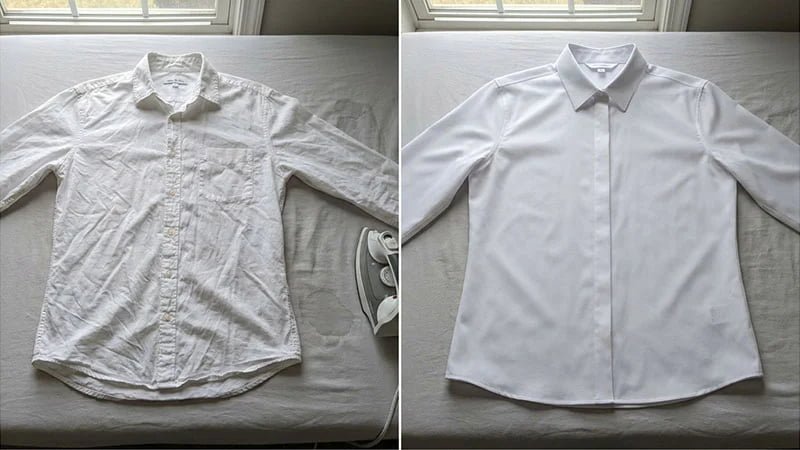
As much as I love cotton, I always tell my clients to be honest about its limitations. It's not the right choice for every application, especially in high-performance activewear. Understanding its weaknesses is just as important as knowing its strengths.
| Disadvantage Category | Specific Weakness | Implication for Apparel |
|---|---|---|
| Performance | Slow Drying Time / Absorbs Moisture | Gets heavy with sweat; not ideal for intense exercise. |
| Wrinkles Easily | Requires ironing; can look unprofessional. | |
| Prone to Shrinkage | Fit can change after washing if not properly pre-shrunk. | |
| Poor Stretch & Recovery | Can stretch out and lose its shape (unless blended with spandex). | |
| Environmental | High Water Consumption (Conventional) | Significant irrigation needed in many growing regions. |
| High Pesticide Use (Conventional) | Can lead to soil and water pollution. |
Misconceptions: “Is Cotton Bad for You?”
This question confuses environmental impact with personal safety. Conventional cotton farming has a significant environmental footprint, which is a valid concern. However, as we've discussed, the finished fabric on your body is not "bad for you" if it has been processed to modern safety standards. It's essential to separate these two issues when talking to customers.
Is Cotton Really the Least Sustainable Fabric?
You hear that cotton is an environmental disaster, while synthetics are improving. This makes you question if choosing a "natural" fiber is even the right call anymore.
No. Sustainability is too complex for one fabric to be the "least sustainable." Conventional cotton has a high impact, but organic cotton and better processing methods dramatically improve its profile.
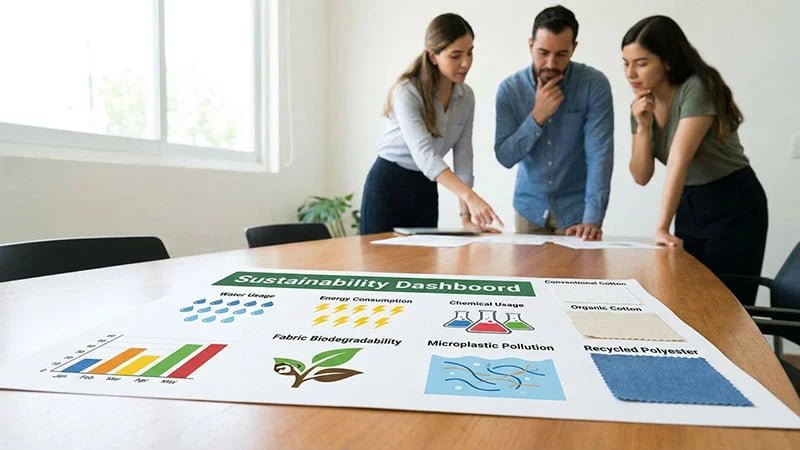
The "least sustainable" label is unhelpful because it's not a simple question. Is it better to use a lot of water to grow a biodegradable fiber, or use fossil fuels to create a non-biodegradable one? The answer is "it depends."
Sustainability Is Multi-Dimensional
You have to consider the entire lifecycle. This includes water usage, energy consumption, chemical inputs, biodegradability, and microplastic pollution. Cotton performs well on biodegradability and microplastics but poorly on water/pesticide use (for conventional types). Polyester uses less water to produce but is derived from petroleum and sheds microplastics.
How Farming and Processing Change the Equation
The picture for cotton changes completely when you shift from conventional to organic. Organic cotton farming builds soil health and uses far less water. Similarly, using a dyehouse that recycles water and is certified by standards like bluesign® drastically reduces the impact of processing.
What B2B Buyers Should Ask Vendors
Instead of asking "is cotton sustainable?", ask specific questions:
- "Is this cotton organic or BCI (Better Cotton Initiative) certified?"
- "What certifications does your dyehouse have (e.g., bluesign®, OEKO-TEX® STEP)?"
- "Can you provide a lifecycle assessment (LCA) for this fabric?"
The answers will give you a much clearer picture of the real impact.
What Is a Buyer's Checklist for Sourcing Lower-Risk Cotton?
You understand the risks, but you need a practical, actionable plan. What exactly should you ask for to ensure your cotton program is safe and compliant?
Use a four-part checklist: require chemical safety test reports, verify key processing controls, request on-garment performance tests, and implement bulk consistency checks.

This is where theory turns into practice. When I onboard a new client, we build a sourcing checklist like this from day one. It becomes their non-negotiable standard for all suppliers.
| Checklist Category | Actionable Steps & What to Ask For |
|---|---|
| 1. Test Reports & Compliance | Require an OEKO-TEX® Standard 100 certificate for the final fabric. Ensure it aligns with your brand's RSL (Restricted Substances List). |
| 2. Key Processing Controls | Ask the supplier: "What are your specific procedures for neutralization, rinsing, and final pH testing on all production batches?" |
| 3. On-Garment Performance | Request test reports for colorfastness to washing, crocking (rubbing), and perspiration. These tests predict real-world performance. |
| 4. Finish & Bulk Consistency | Approve a pre-production sample as your "gold standard." Ask how they ensure bulk production matches the approved handfeel and color. |
FAQ: Cotton Toxicity, Safety, Types, and Sustainability?
You've absorbed a lot of information. Here are quick, direct answers to the most common questions buyers have about cotton to solidify your understanding.
Cotton's safety depends entirely on its processing, not its type. Certifications like OEKO-TEX® are the best way to verify that a finished cotton product is safe for wear.
I get asked these questions all the time. Here are the simple answers.
Is cotton toxic?
The fiber itself is not toxic. The risk comes from agricultural chemicals and processing residues. A finished garment certified by OEKO-TEX® is tested and proven to be free from harmful levels of over 100 substances.
Is mercerized cotton toxic or safe for skin?
It is safe for skin when the manufacturing process includes proper neutralization and rinsing to bring the final fabric to a skin-friendly pH level.
Is combed cotton toxic?
No. Combing is a mechanical process to remove short fibers. It involves no chemicals and has no impact on toxicity.
Is washed or recycled cotton toxic?
Washed cotton is safe if rinsing is thorough. Recycled cotton carries a higher risk due to unknown source materials; GRS certification is essential to ensure chemical safety management.
Are Pima and Supima cotton toxic?
No. These terms describe a higher physical quality (longer fibers). They are subject to the same processing risks as any other cotton and require the same safety verifications.
What are cotton’s disadvantages?
Its main performance weaknesses are that it absorbs moisture, dries slowly, and wrinkles easily. Conventionally grown cotton has a high environmental footprint concerning water and pesticide use.
How does cotton compare in sustainability?
It's complex. Conventional cotton is resource-intensive. However, organic and BCI cotton have a much better profile. Cotton is biodegradable, which is a major advantage over synthetics like polyester.
What is the conclusion? Safe Cotton Sourcing Requires Process Control—Not Just Fiber Choice
You can't just choose a fiber type and hope for the best. The safety and quality of your cotton products are decided in the dyehouse, not in the cotton field.
Focus your sourcing efforts on verifying your supplier's processing controls. Require testing and documentation like OEKO-TEX® certificates. This is how you protect your customers and your brand from risk.
Why Testing, Documentation, and Process Matter Most
Choosing "Pima cotton" is easy. Verifying that the dyehouse has proper pH controls and rinsing procedures is harder, but it's what actually ensures a safe product. Documentation is your proof that these controls are in place. It turns a supplier's promise into a verifiable fact.
The Role of Professional Sourcing Partners
Navigating this world of textile processing and certification can be overwhelming. This is where an experienced partner can be invaluable. We know the right questions to ask, which certifications matter, and how to verify that a factory's processes are as good as their samples. Sourcing safe cotton isn't about finding a magic fiber; it's about building a disciplined, transparent, and verifiable supply chain.
Conclusion
Sourcing safe cotton isn't about the fiber's name, but about controlling the process. Demand certifications and partner with experts to ensure your final product is one your customers can trust.